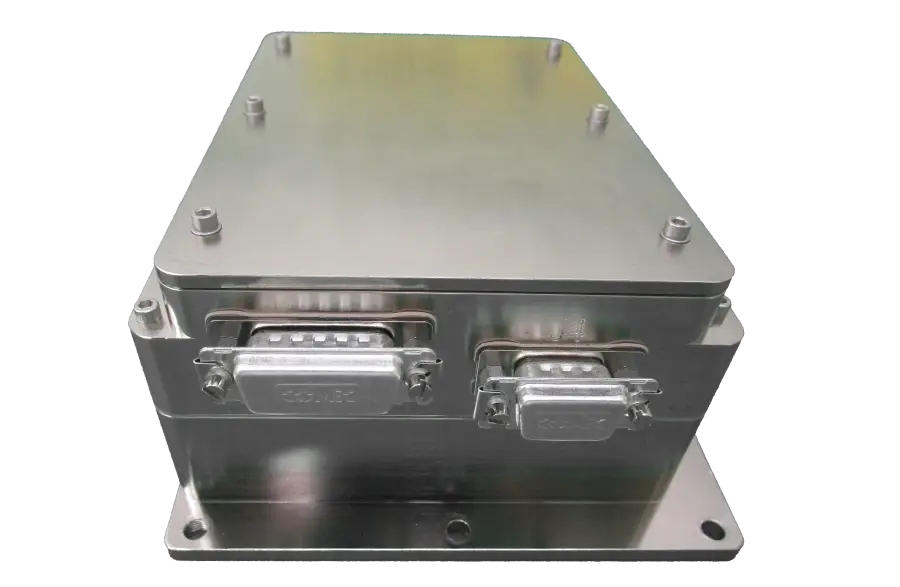
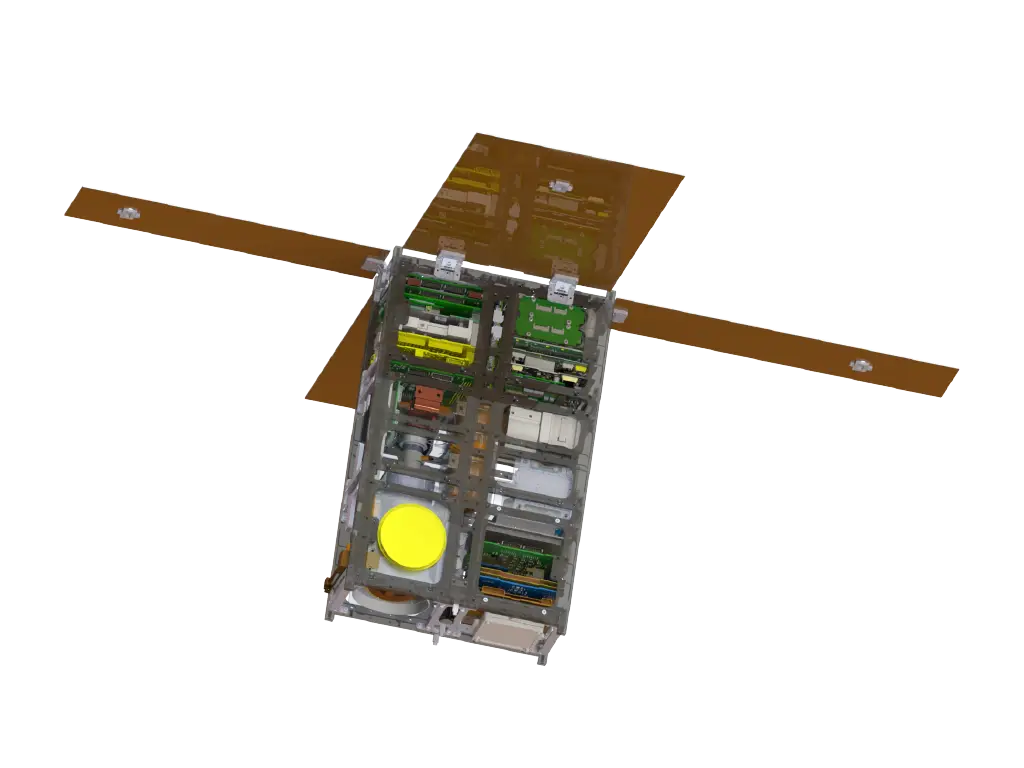
WCS was selected by Lawrence Livermore National Laboratory (LLNL) in December 2024 to provide the flight cryocooler electronics for the Pandora mission after the originally baselined module failed to meet requirements. Together with Creare, we were able to deliver fully compliant flight electronics within six (6) months of order by leveraging a TRL 9 design, enabling Pandora to make its launch window. While still meeting the aggressive delivery schedule, WCS and Creare were able to incorporate telemetry circuit design changes to meet a +/- 10 mK stability requirement. The Pandora satellite is now in its 600 km sun-synchronous orbit, producing high-quality exoplanet atmospheric characterization data.
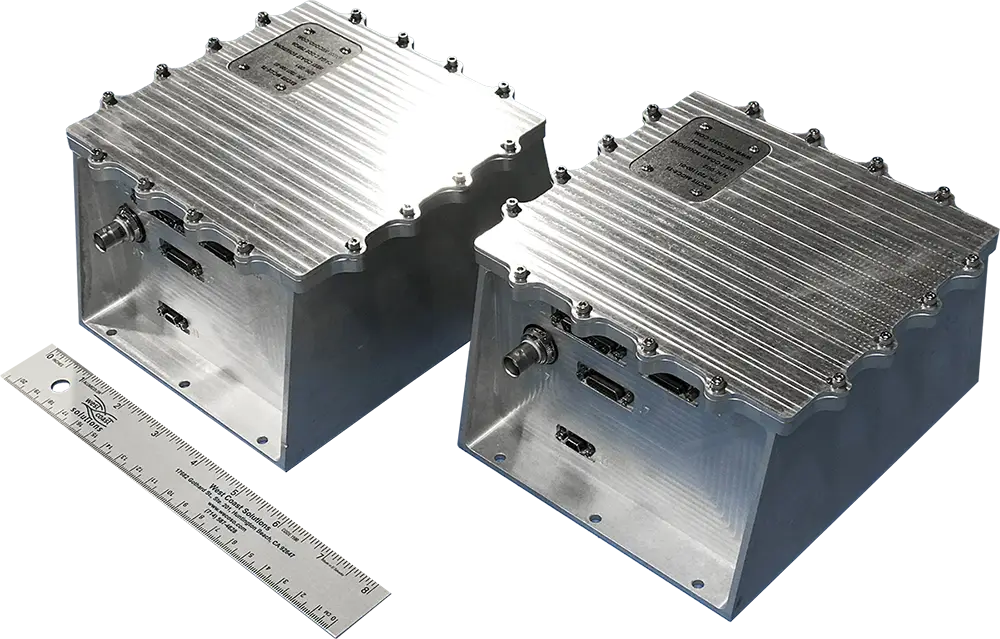
The EXoplanet Climate Infrared TElescope (EXCITE) is a high altitude, balloon-borne near-infrared spectrometer designed for observation of Jupiter-like exoplanets. Cryogenic cooling on the EXCITE spectrometer is achieved with two Thales LPT 9310 cryocoolers. Each LPT 9310 cooler is driven and controlled with a variant of the Creare-West Coast Solutions Miniature Cryocooler Control Electronics (MCCE) designed to strike the right balance between cost, radiation hardness, and robustness for the EXCITE balloon mission. The EXCITE MCCE also includes active vibration cancellation. These electronics have already been flown by NASA GSFC on an initial balloon “proof of function” mission in preparation for the full EXCITE mission execution in the near future.
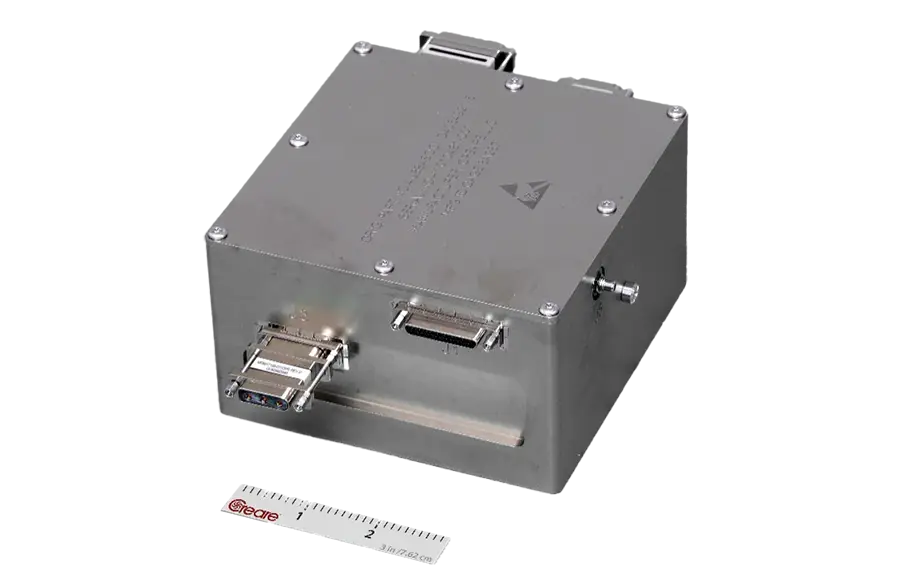
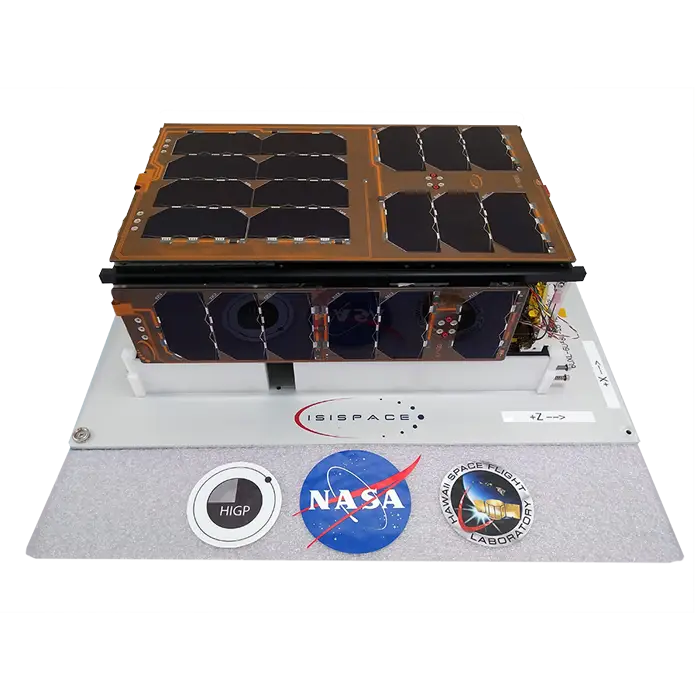
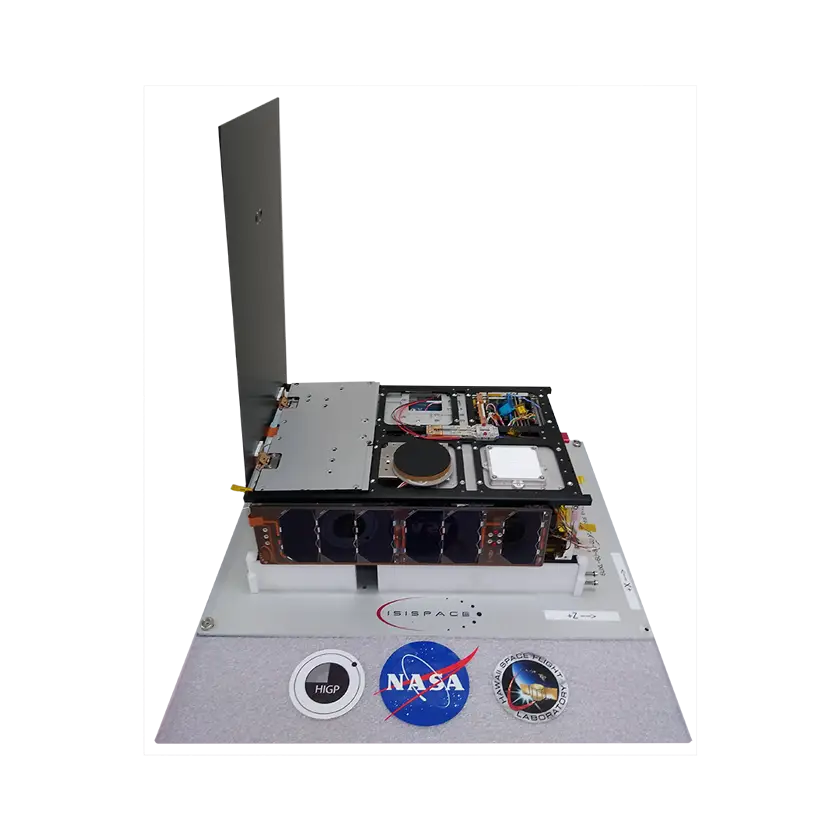
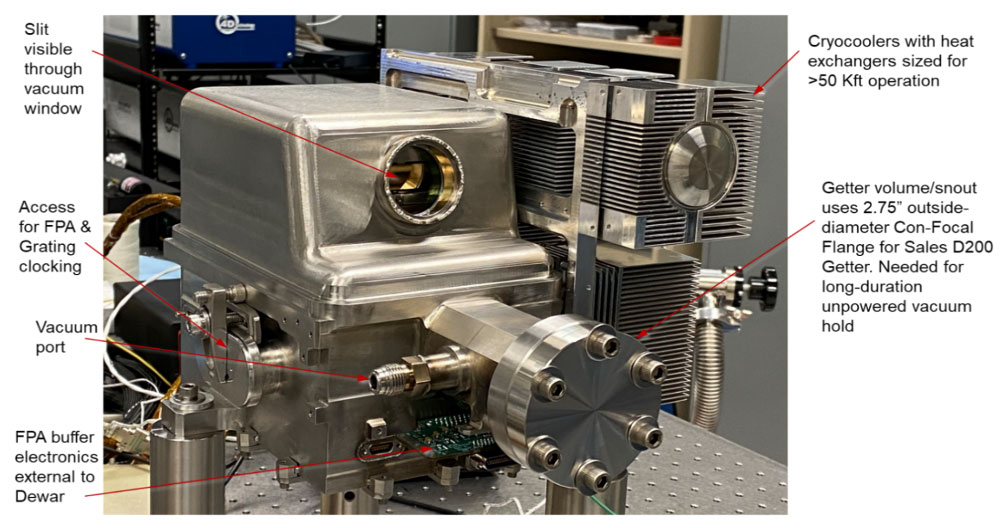
In follow up to the successes on HyTI-1 (see below), WCS was selected by NASA and the Hawaii Space Flight Laboratory (HSFL) to provide the flight cryocooler electronics for the HyTI-2 mission. Again in collaboration with Creare, we accomplished an aggressive repackaging of the standard MCCE-HP1 product to fit within the program’s extremely aggressive volume and mass requirements while driving the AIM SF100 Cryocooler. As of summer of 2026, the HyTI-2 CCE has been successfully integrated with the Fabry–Pérot etalon interferometer featuring a HOT-BIRD (Higher Operating Temperature Barrier Infrared Detector) and is supporting testing at the integrated detector cooler assembly (IDCA) level.
West Coast Solutions has been teamed with Hawaii Space Flight Laboratory (HSFL) since 2018 as the Cryocooler Systems Engineering Team on the HyTI mission, which is on track to launch in late 2023. WCS was brought on board at the start of the program to lead the cryocooler selection activity, and continues to support the program in all aspects of cryocooler systems engineering, including providing test support for the AIM SF-070 cryocooler out of our Huntington Beach laboratory and onsite at HSFL.
West Coast Solutions provided mission critical support to Jet Propulsion Laboratory in the selection, integrated design, and test of the Cryocooler Subsystem. One key task involved the design of a Cryogenic Thermal Demonstrator to experimentally determine the cryogenic thermal loads to be expected in the UCIS instrument. Additional program tasks included SolidWorks Simulation finite element thermal analysis and computational fluid dynamics to guide the heat sink designs.
West Coast Solutions is teamed with the Georgia Institute of Technology on a 3-year NASA ESI Program to develop next generation regenerative heat exchanger (regenerator) technology to enable 150W @ 90K and 20W @ 20K for linear (Stirling and pulse tube) cryocoolers.