West Coast Solutions specializes in expeditionary and scavenging power technologies, including the development of custom batteries and the integration of complex solar and hybrid systems.
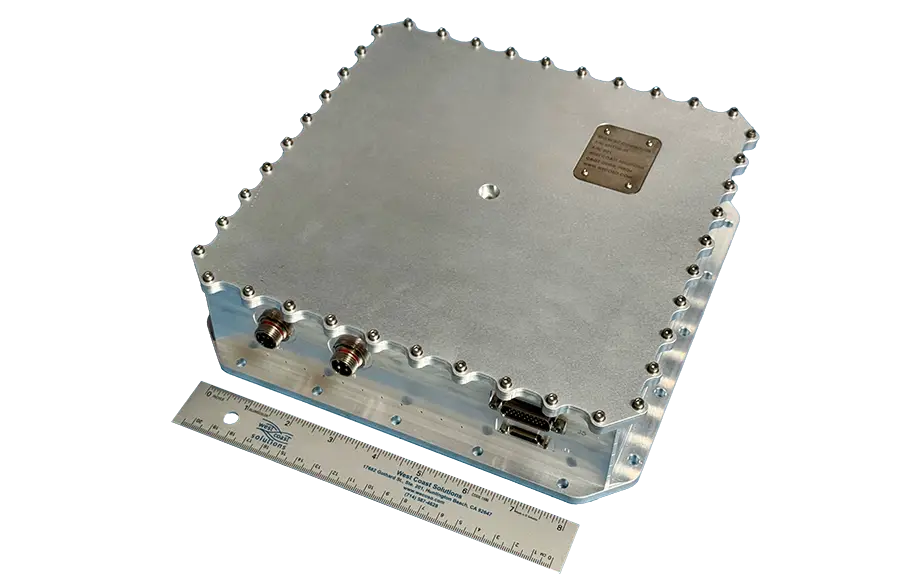
The Stirling Convertor Space Controller (SCSC) is a self-contained, space-compatible, radiation-hardened electronic controller for use with Stirling Convertors such as the Sunpower Robust Stirling Convertor (SRSC). The SCSC includes circuitry and logic required to fully and reliably control the Stirling Convertor during startup, transient/steady-state and shutdown operations. SCSC receives and conditions AC power from the Stirling Convertor, provides regulated output for battery charging and other functions, includes shunt regulators for dissipation of excess generated power, and is capable of vibration measurement and control when utilized with an active balancer mechanism.
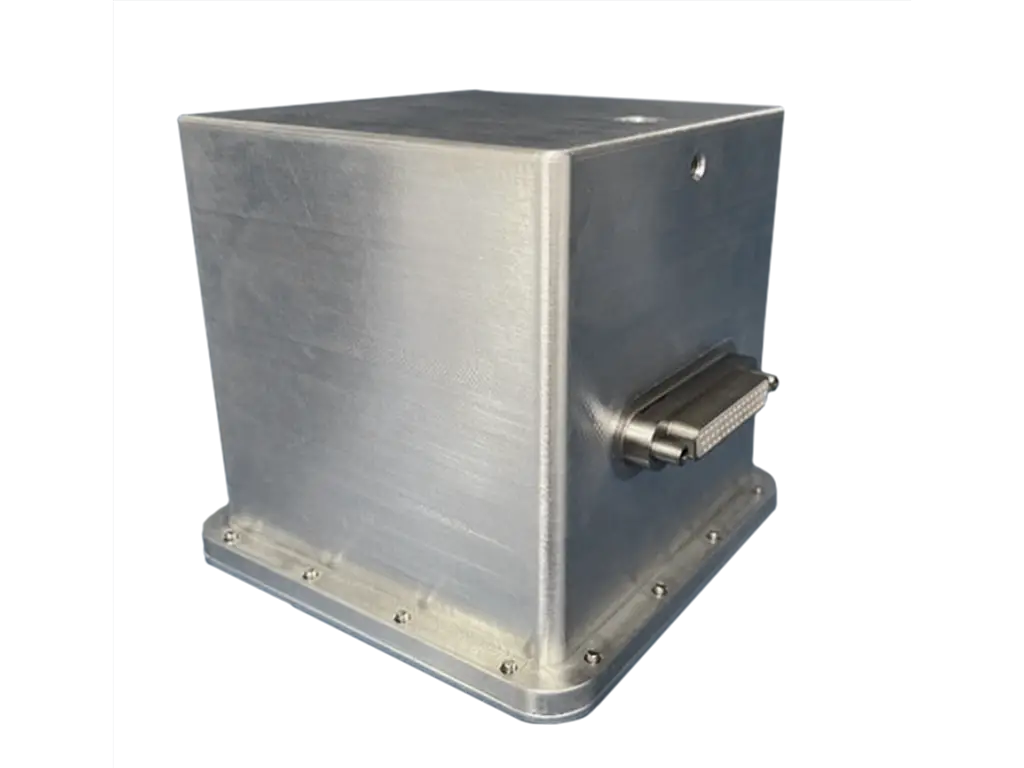
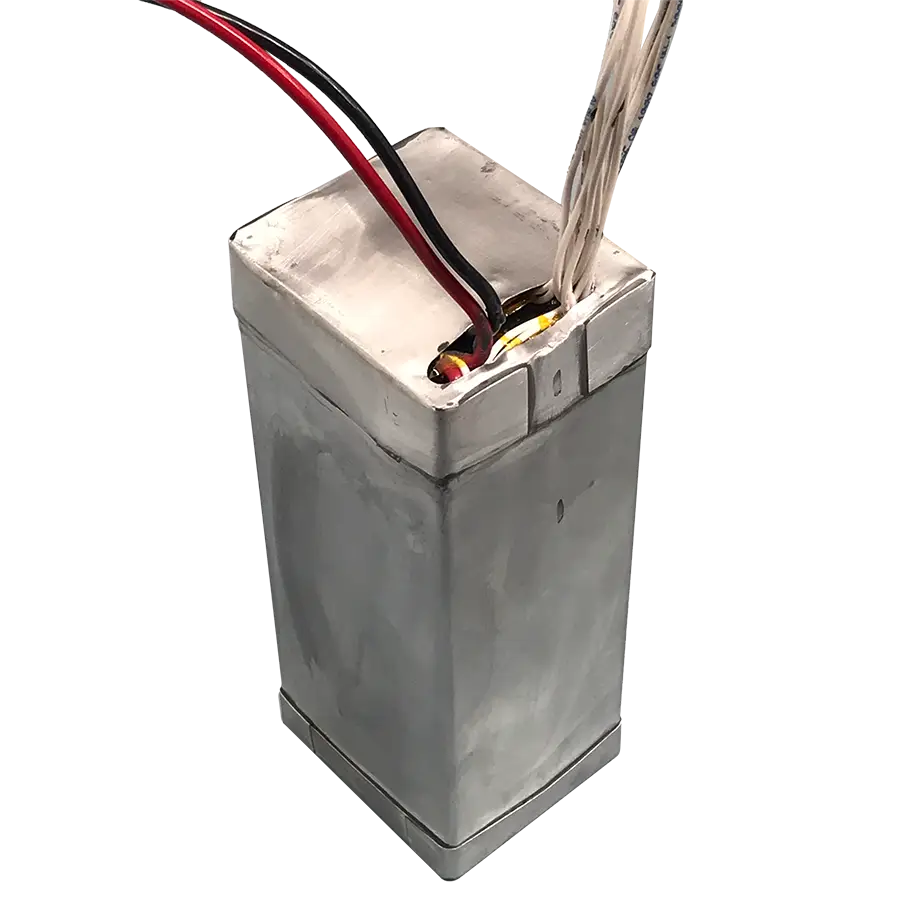
The West Coast Solutions HBS enables a new generation of high-power payloads on SmallSats by providing >700W sustained power from a 1U (1000 cc) hybrid battery. Targeted applications include advanced propulsion technologies, lasercom, high data rate downlink transmitters, large array infrared sensors, synthetic aperture radar (SAR), and directed energy. TRL 6 testing was completed in 2024 with successful completion of Applied Vibration, Thermal Vacuum and EMI Qualification Testing. Georgia Tech completed successful integrated testing with a Hall thruster in 2026 as a proof of concept for an integrated high delta-V electrical propulsion system.
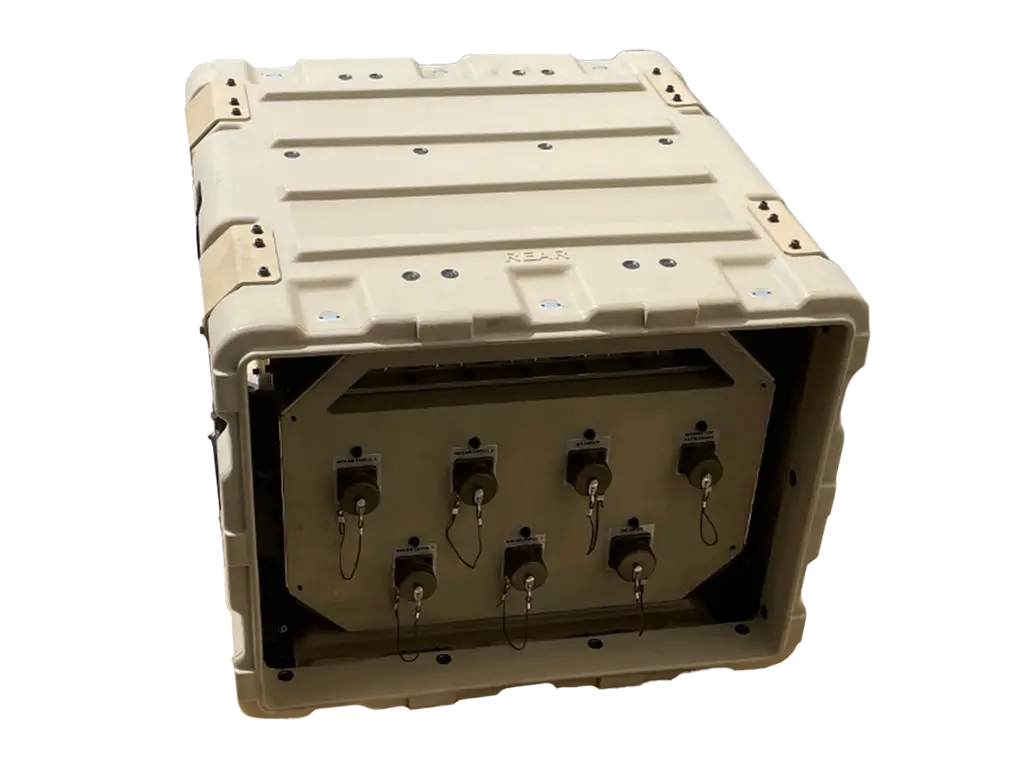
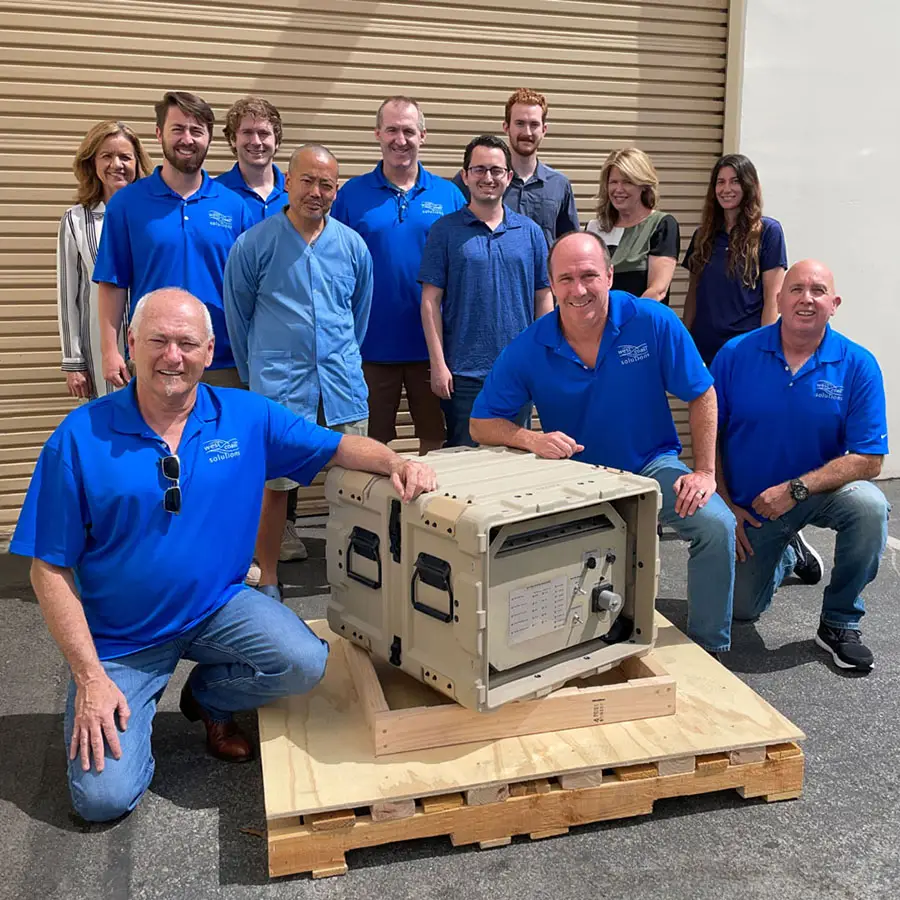
West Coast Solutions developed LEPS to meet disaster relief and expeditionary power needs,. Having evolved from multiple USMC Small Business Innovative Research programs, WCS is matured LEPS to TRL 8, including successful destructive testing by the Navy. LEPS provides a 2X SWaP improvement over the current art by virtue of the underlying next-generation patented battery and power electronics technologies. LEPS is modular, scalable and reconfigurable to meet a wide range of sizes and applications.
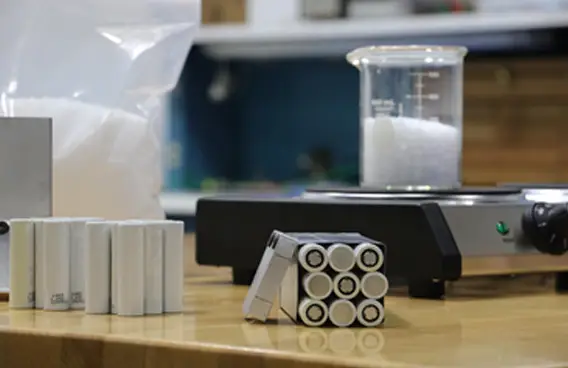
WCS was the design and integration lead on the battery packaging effort for an Air Force Phase III SBIR subcontract to American Lithium Energy. Our focus was on thermal management to meet the aggressive 450W @ 65°C discharge requirement. WCS designed and implemented an extremely compact package that contains enough phase change material to meet requirements.
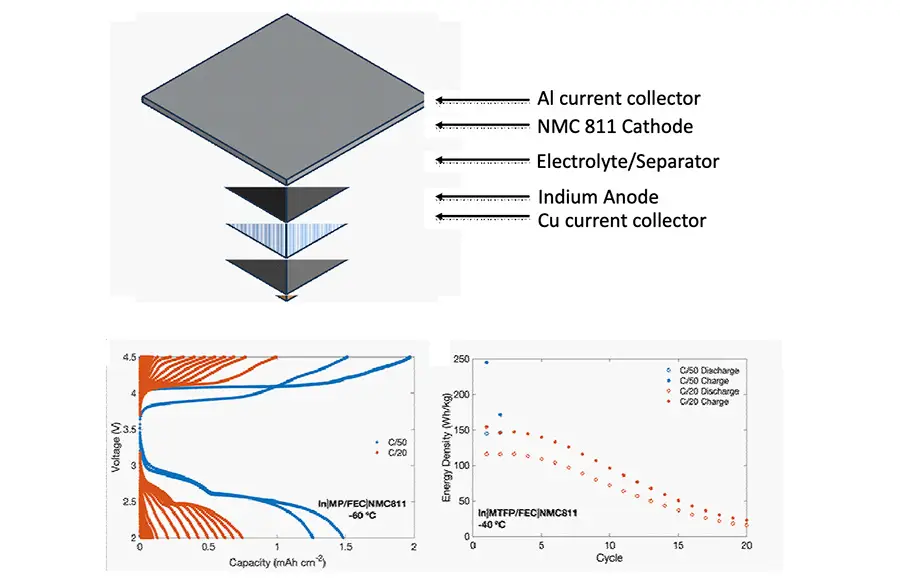
WCS is collaborating with the Georgia Institute of Technology to develop very low-temperature batteries. The initial and primary application is the Moon and other interplanetary bodies, but the technology is applicable to any application with environmental temperature requirements below about -20 degrees Celsius. The research is premised on lithium alloys to enable high-energy, low-temperature batteries with high scalability.